

The Junior B mindset shows how Irish communities mix competition, humour, and a sense of belonging. These traits are at the heart of Irish psychology.
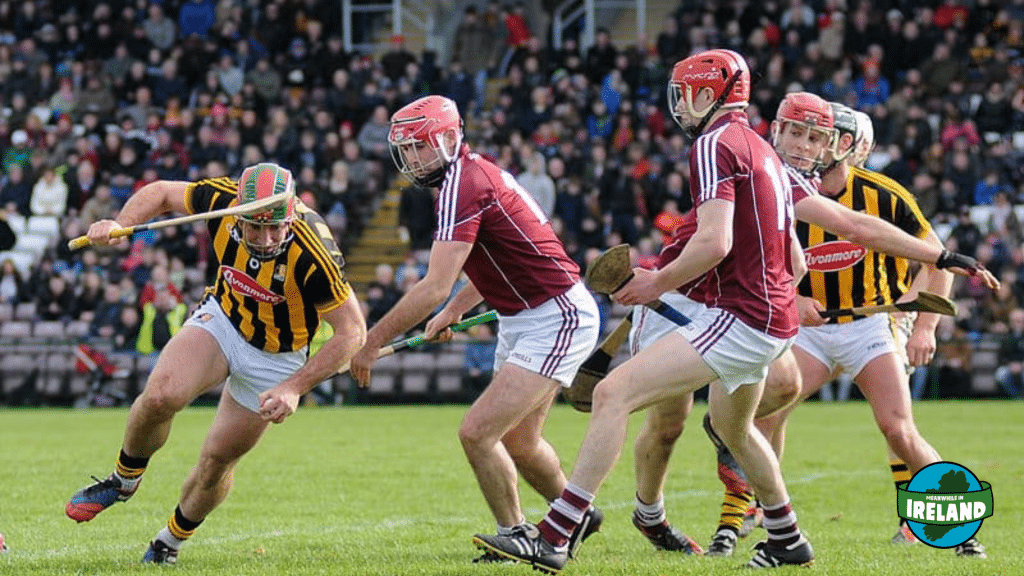
Every weekend, players across the country compete in Junior B hurling and football leagues, from rural fields in Kerry to parish pitches in Louth. GAA is a deeply woven tradition in the everyday life of communities.
Junior B is not an elite level of sport and rarely produces county stars, but it has become a national phenomenon. In fact, you’ll struggle to find someone who doesn’t know about it.
The optimism, chaos and humour found in this level of sport are exactly what Irish competition is all about. Sideline debates, WhatsApp group chats, and post-match analysis in the local pub give a glimpse into the Irish mindset through Junior B sport.
The scale of the GAA in Ireland – one in ten people are a club member
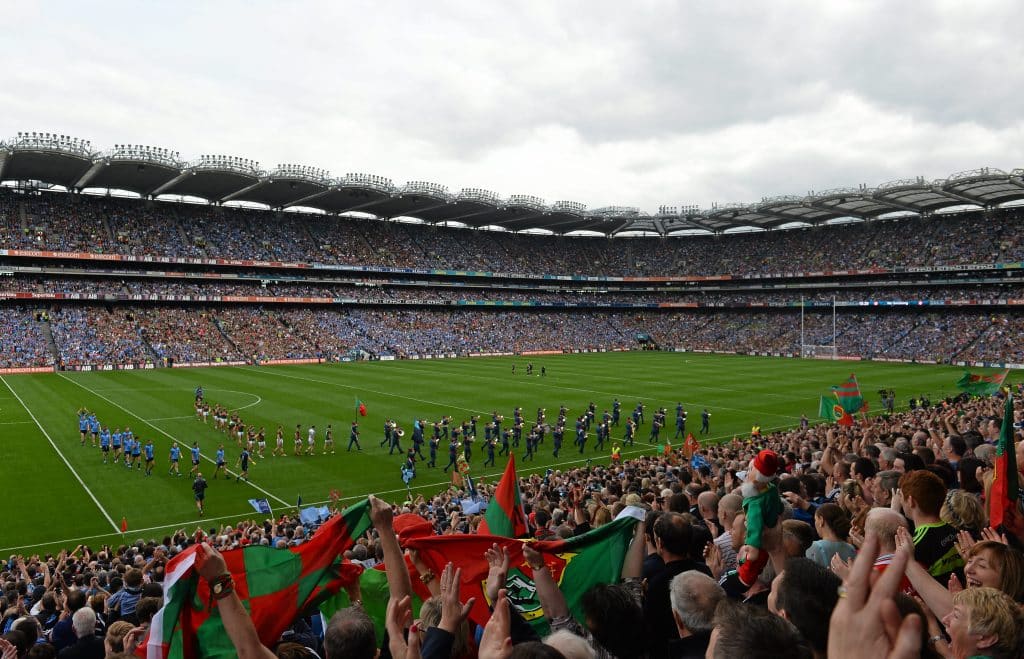
The GAA has an incredibly wide network, and it helps explain why Junior B is so popular across the country. The Gaelic Athletic Association says that there are over 2,000 clubs in Ireland and abroad. It is also one of the largest volunteer sports networks in Europe.
The clubs have over 5,000 members of all ages who play Gaelic football, hurling, and camogie. Kids start playing early, with schools often offering games as early as age four. This ensures that members begin joining from as early as they can kick a ball or swing a hurl.
Research shows that one in ten people in Ireland is a member of a club, highlighting how integral these clubs are to their communities.
For adults, Junior B teams provide the easiest way to compete, where taking part and having fun is just as important as winning (depending on who you’re speaking to). This contrasts with higher levels of the sport, including county-level teams.
The GAA culture – controlled chaos
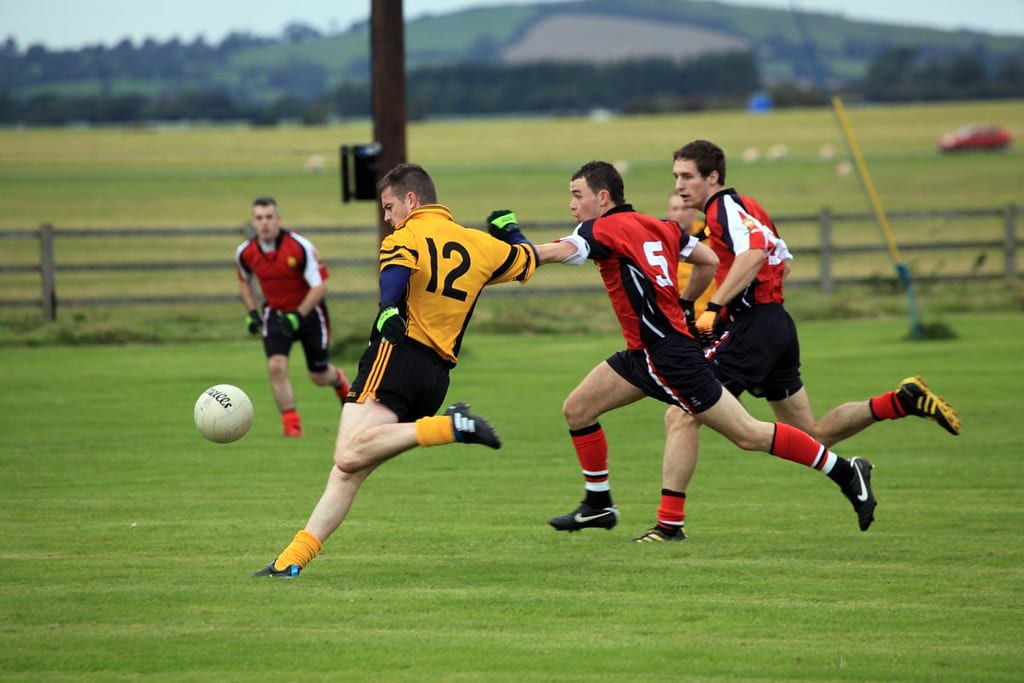
In contrast to county teams, Junior B teams operate differently and showcase a unique approach to the sport. Where people may expect to see top-level training and tactics, half the squad may not show up, and the debates around tactics may last longer than the drills themselves.
Some players disappear for weeks before coming home in time for the big game. Even with all the unpredictability, people do care deeply. Matches are fierce, referees’ decisions are argued with, and wins are celebrated like All-Ireland finals.
Irish humour is a big part of it, too. Stories from the dressing rooms and sidelines often pop up online, and this is the grassroots of the Gaelic games.

Why Junior B reflects Irish psychology – a sense of belonging
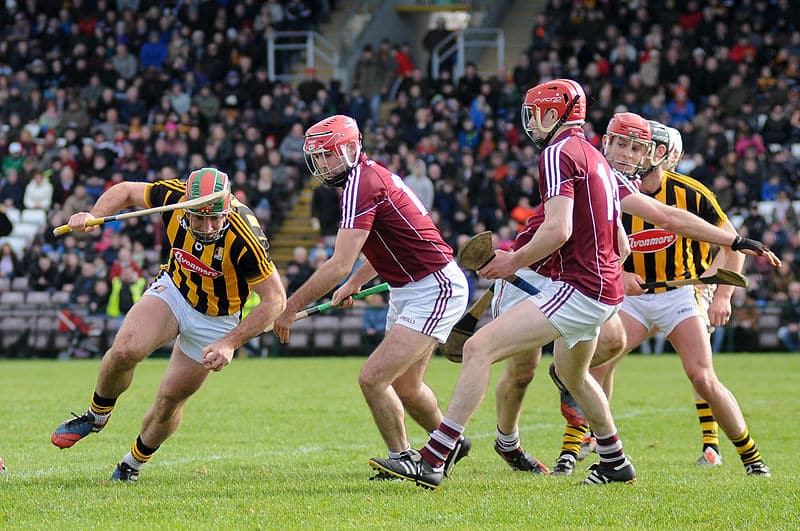
Many values in Junior B teams reflect the wider Gaelic culture, where pride in representing your club or parish is often a stronger motivator than winning. Legendary Kilkenny hurler Henry Shefflin has frequently spoken about the deeper meaning of playing for a club and community.
He told GAA.ie, “I went back to my club, which is always there, always the default and the centre of what you do.”
The sense of belonging is most visible in Junior B when you hear players talk about their pride in representing the same teams their parents and grandparents played for. There’s also a special kind of Irish humour here, with self-deprecating jokes and over-the-top post-match analysis being part of the culture.
Even if the football isn’t perfect, people still feel proud to wear their local jersey. While elite sports dominate TV coverage, Junior B Gaelic games continue to thrive in communities, linking the past with the present and providing a foundation for lasting traditions.
The heart of Irish communities – some things will never change
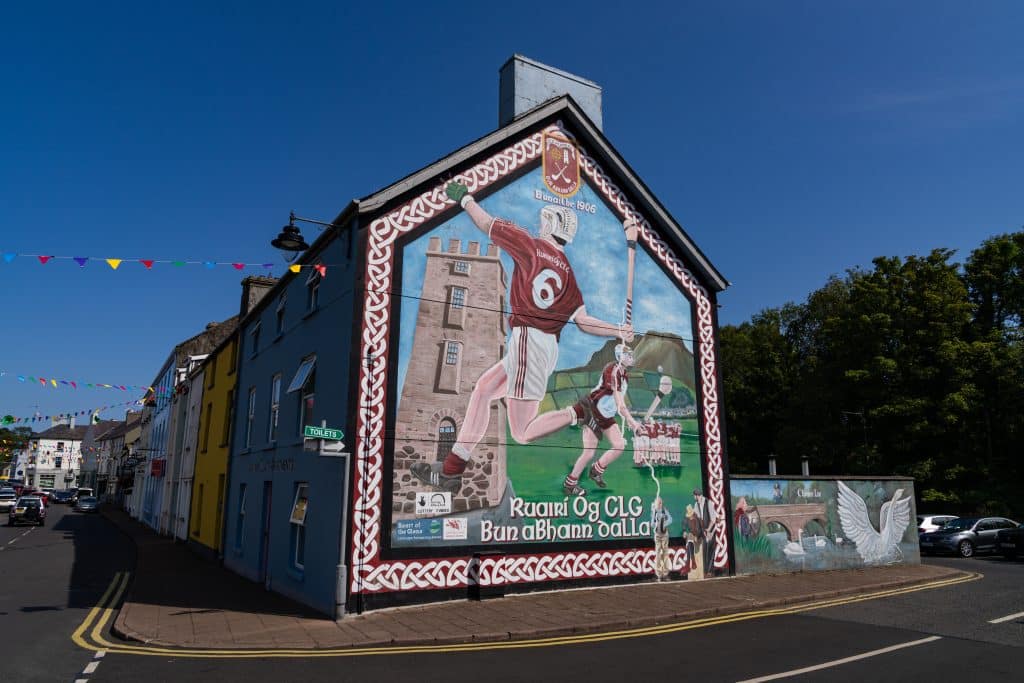
Every weekend, players put on their club jerseys, supporters gather on the sidelines, and debates about tactics, referees, and missed chances go on long after the game ends. For many communities, Junior B is more than just a level of competition.
Junior B is not only a level of sport, but it also encapsulates the Irish way of life: local, competitive, chaotic, and always full of humour. This mentality shows how Ireland’s identity is built on community spirit, pride, and the resilience found in everyday competition.
Legal Disclaimer
We cover articles relating to many activities. Some of our articles showcase gaming and gambling as activities. While we do not take money for bets or own any gambling venues, we feel it is important that our readers know the risks of such venues or sites that we may mention in our articles. Gambling involves risk. Please only gamble with funds that you can comfortably afford to lose. See our legal disclaimer for more info.
