
You’re multiple rounds in, the bell rings, and the lights come on. It’s at this point that the real Irish performance begins.
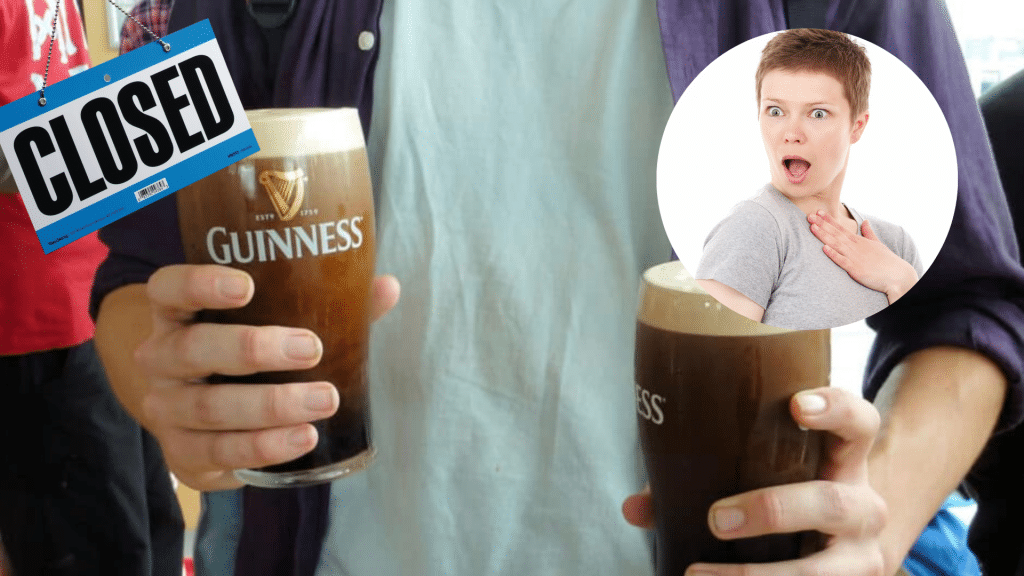
On a night out in Ireland, there are many things that you can’t predict. You don’t know who you’ll run into, meet for the first time, or how much the night will cost.
However, there is one thing you’ll be guaranteed to hear, and it’s when the barman shouts “Last orders” that the group begins their usual song and dance.
It won’t matter if you’re in the small corner pub in Kerry, or a city cocktail bar, or if you started the saying you’d go for just one. The reactions are never subtle; they’re emotional and undeniably Irish.
The night will either end here, or everyone will somehow find a second wind.
The ritual of denial – sheer disbelief
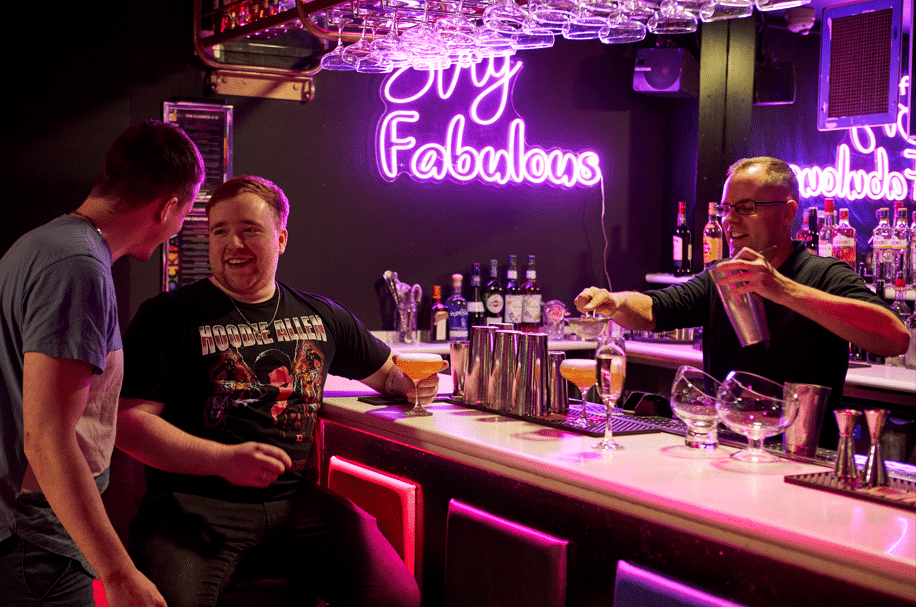
The first reaction to the barman is always disbelief, because how could the bar be closing at its inevitable closing time? You’ll hear rumbles like: “What do you mean it’s closing?” “But we only got here.” “Ah, here, surely one more.”
It won’t matter if you got there at 7 pm or if the chairs were being stacked an hour prior. The Irish psyche always refuses to accept the end of a good night out. It’s never just about the pint in front of you; it’s about the conversation that’s mid-flow.
The ramblings of a story that hasn’t quite finished, or perhaps the song you’ve been waiting all night to come on next. Closing time in a bar always feels less like a necessity and more like an interruption.
The sudden surge of energy – a collective second wind
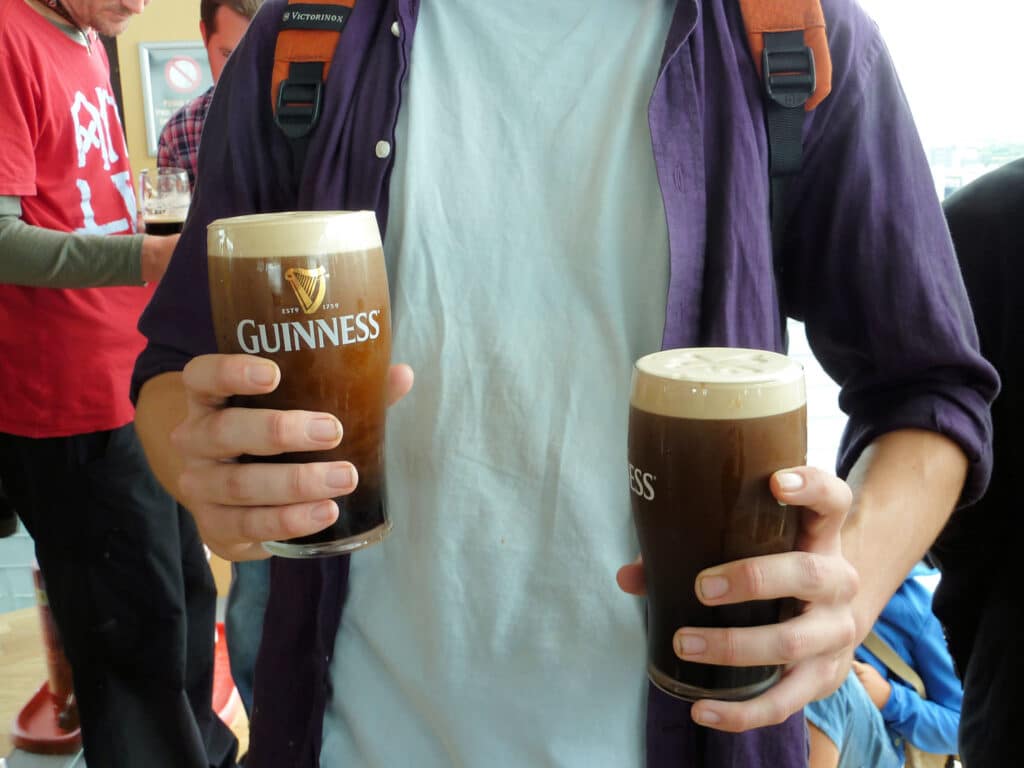
The fascinating change that follows is a burst of negotiation. The slow drinkers who were nursing pints for the past half hour suddenly become speed drinkers. The deliberation between friends becomes a conversation like “Right. Two more.”, or “Get them in quick.”, or “Does anyone want a vodka?”
The same group who took 20 minutes to deliberate a round are now executing their final decisions with the barman in under 90 seconds. Quite frankly, it’s impressive to watch for the first time.
Sociologists often speak about collective effervescence, a term coined by Émile Durkheim to describe the shared energy people feel in communal spaces. If he’d ever stood in an Irish bar at 11:28 pm, he would have had a field day.

The great negotiation – “just five more minutes”
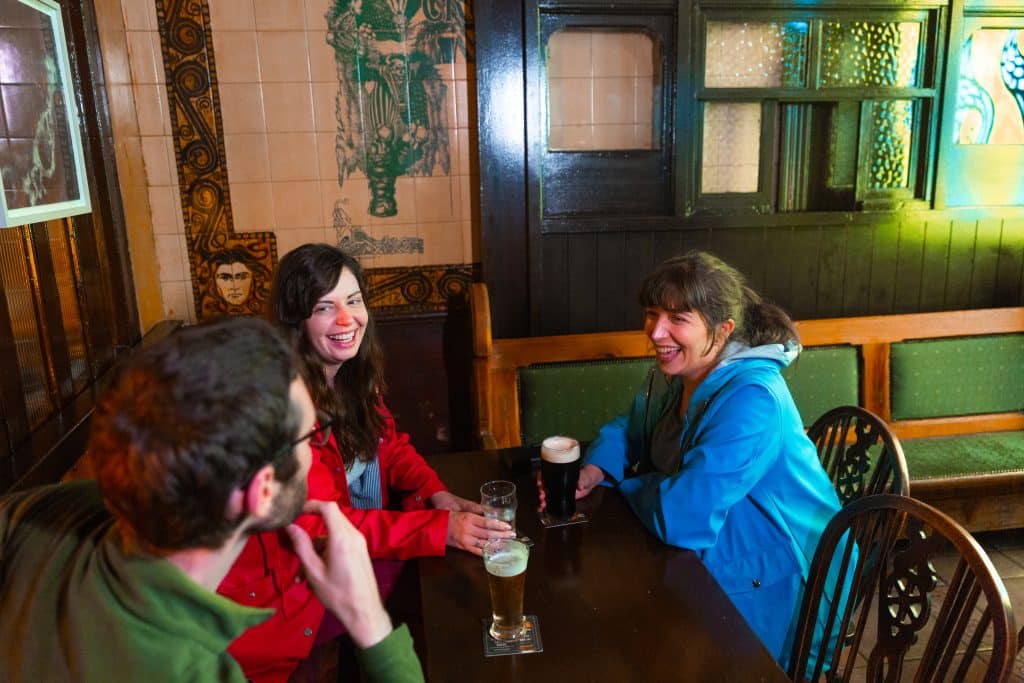
Friends begin to show their past skills in debate, or that one friend who works in an office becomes the voice of reason. “Sure, we’re no trouble.” “We’ll drink up.” “We’ll be gone in five.”
The staff, however, have heard this every weekend since they first started working behind the bar – they remain unmoved.
There‘s a mutual understanding that the bar’s patrons will do this knowing they won’t get to stay any longer, and the barman, who knows he’ll be locking that door as soon as closing time hits.
Everyone knows how it ends. Yet, every single time, the performance is repeated as if it might work.
The soft landing – get some food and go home
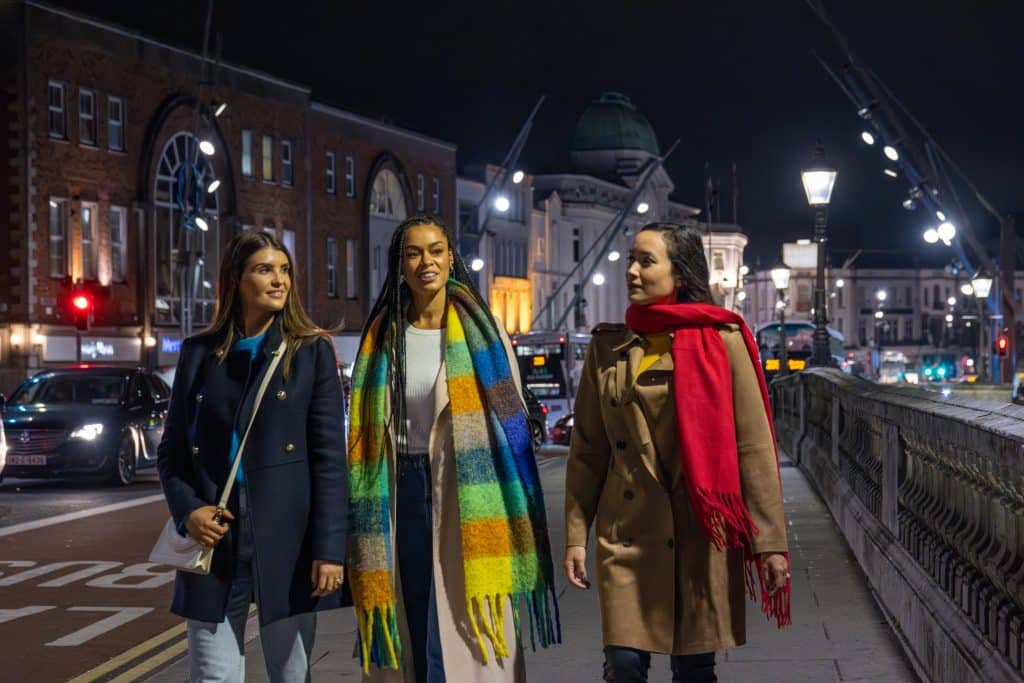
Eventually, coats are found. Half-finished conversations are promised for “next time”. Someone suggests food. Someone else insists they’re absolutely fine and will not, under any circumstances, be getting food.
Just like that, the night spills onto the street. If the pub is the heart of Irish social life, the pavement outside is where the final act unfolds.
Hugs that last too long. Plans that won’t materialise. The group photo nobody asked for. Something is comforting in its predictability.
We might not control much about a night out, the music, the mood, the morning after, but we can rely on one thing: when the bar is closing, we will collectively act like this information is both shocking and deeply unfair, and somehow, we’ll love it all the more for it.
