
What do Roddy Doyle and Michael D. Higgins have in common? Yes, they’re both Irish, but there’s more.

Both of their surnames are, in fact, of Viking origin! The Vikings didn’t just come to Ireland to raid coastal areas. They also built towns like Dublin, Waterford, and Limerick, and clearly influenced Irish naming conventions.
In this article, we’ll dive into the Viking heritage of ten Irish names. Maybe your own name made the list? Read on to find out.
Doyle – a dark-haired Viking

Doyle already sounds pretty Irish, doesn’t it? It’s one of the top Irish surnames and it derives from the Old Irish Ó Dubhghaill.
“Dubh” means “dark” and “gall” means “foreigner”. This is thought of as a way to distinguish the Danish Vikings from the Norwegian Vikings, who had lighter hair than the Danes.
McAuliffe – practically royalty
When you see Mc, it already looks as Irish as it can get, right? But McAuliffe is actually derived from the Irish name Mac Amhlaoibh, meaning “son of Olaf”.
Fun fact: Olaf was also the name of the first Viking king of Dublin. Wouldn’t you love digging into that family tree?
Higgins – linked to the word Viking
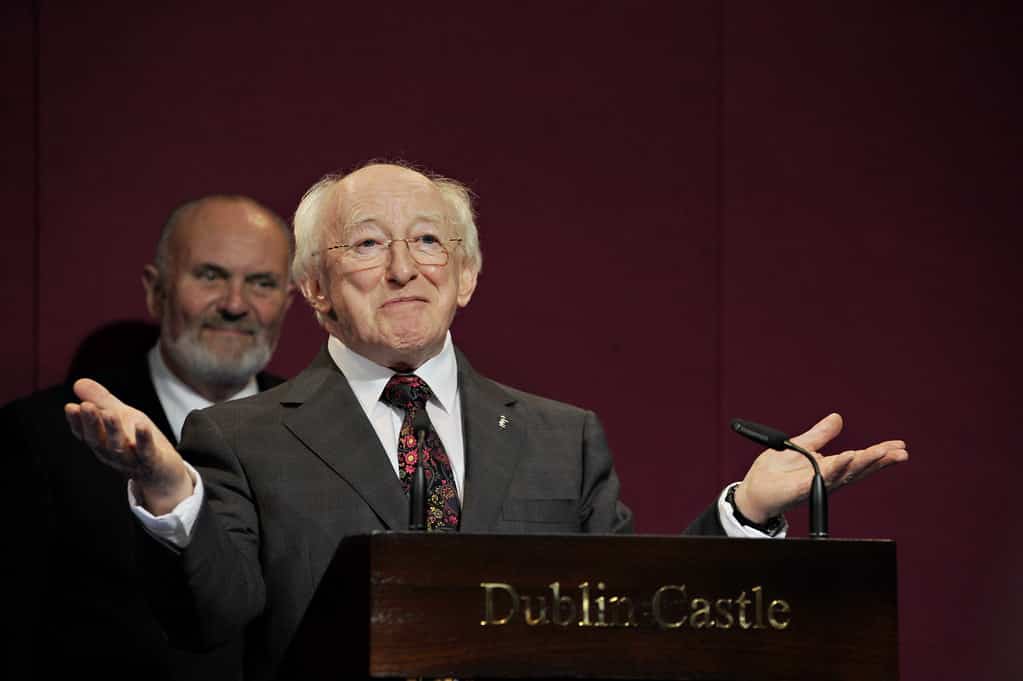
Higgins is the Anglicised version of the Gaelic name “Ó hUiginn”, meaning “descendant of Uiginn”. Now who’s Uiginn?
That seems to go back to the Gaelic version of the Old Norse víkingr or Viking. You can still see those traces when you look closely at the different stages of the name.
Dougall – also a dark-haired Viking
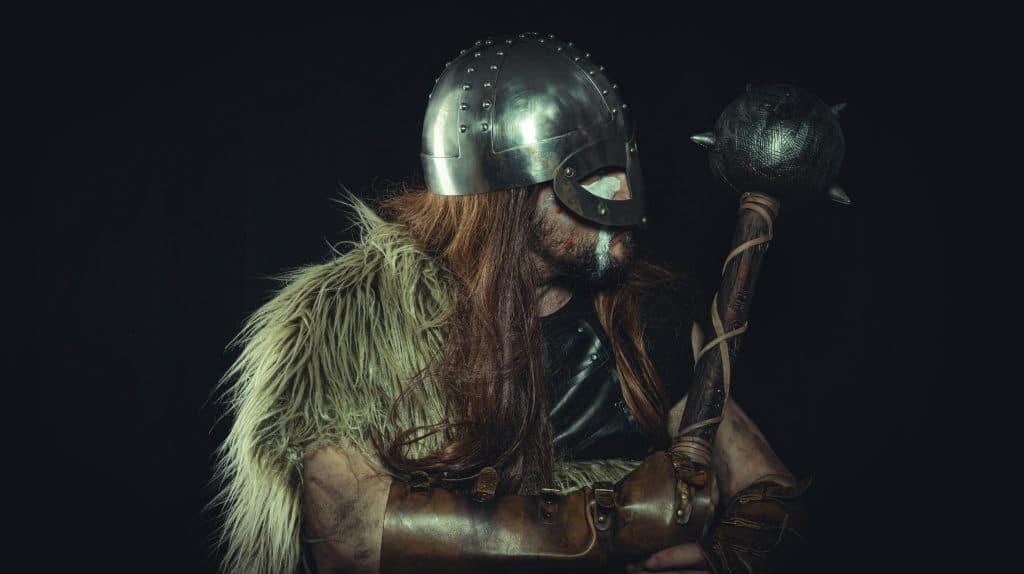
When you look at the name Dougall, you might start wondering if it isn’t also of Viking origin. It is! Not just any Viking origin, it has the same name elements as “Doyle”.
Look closely, and you’ll see it – dubh and gall. It’s right there. So Dougall also means “dark-haired Viking”.
MacTorley – Norse gods are joining the name game
The Norse god of thunder, Thor, influenced the name MacTorley. The same actually applies to the name McSorley.
That could be why these two names still sound and look pretty similar nowadays. Having Thor as part of your name is pretty cool, isn’t it?
McManus – the great one
McManus derives from Magnus, meaning great. Not only that, but that name was very popular among Norse nobility.

So if that’s your name, you’re not only great, you might even have a bit of old royal blood in your family tree.
McIver – Scottish and Northern Irish
If you’re familiar with 80s TV shows, you might be saying this sounds just like MacGyver. Yes, it does. In fact, they trace back to the same origin. Both names mean “son of Íomhar”, with Íomhar being a form of the Old Norse personal name Ivarr.

McKeever – another familiar one
When you see the name McKeever, you might be thinking you’ve come across it before. You have. It has the same origin as McIver and MacGyver.
It’s pretty fascinating that one original name, Ivarr, created several surnames in Ireland. The resemblance stayed intact over centuries.
O’Beirne – animals as part of names
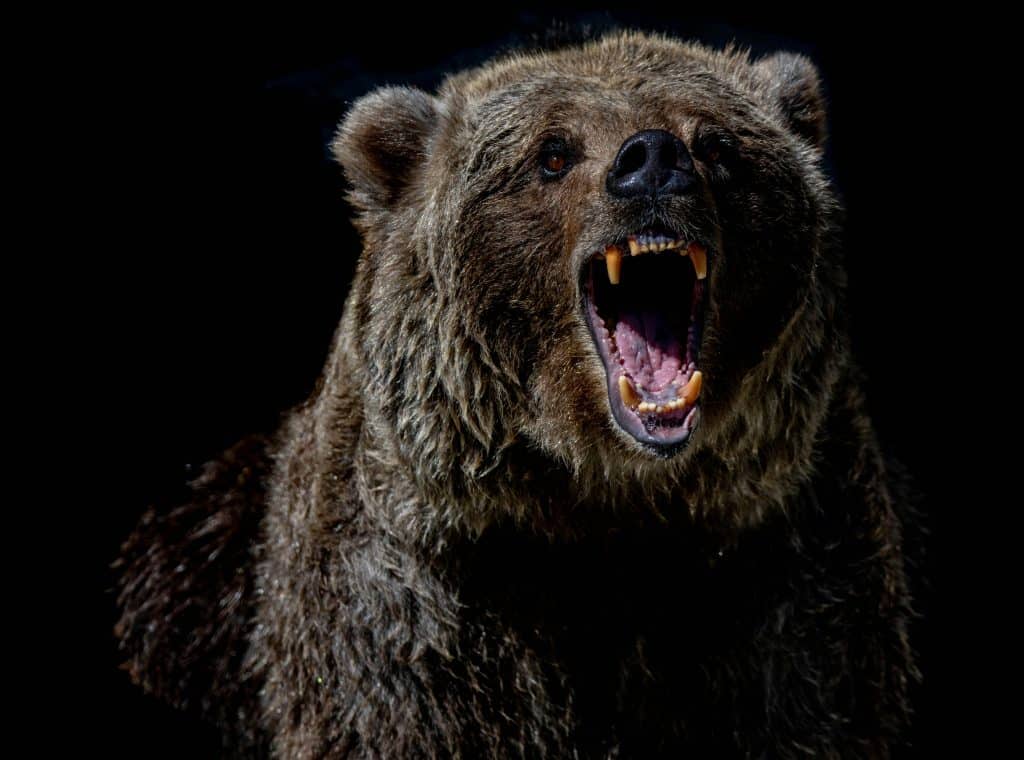
Which animal, you ask? It’s suggested that O’Beirne goes all the way back to the Old Norse name “Björn”, meaning bear.
It might be a bit hard to pronounce, but the spelling and pronunciation were adapted over time to fit the Irish language, so now it feels very Irish, but the origin has possible Viking roots in it.
McLoughlin – place names as personal names
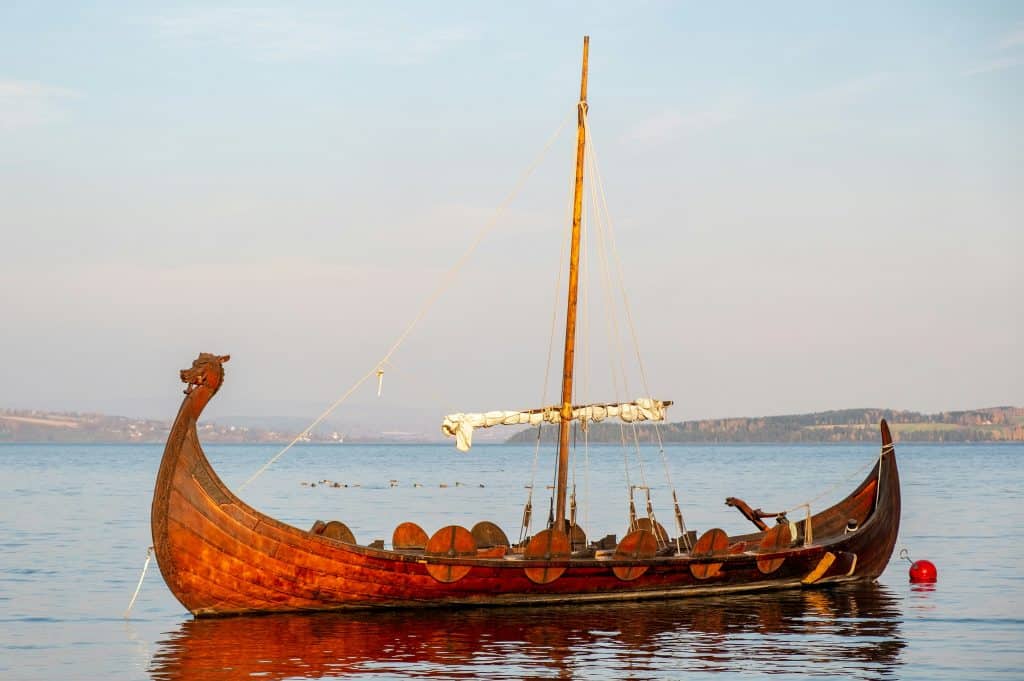
Another tricky one to pronounce, but both McLoughlin and O’Loughlin derive from “Lochlann”, which was the Irish word for Scandinavia, in particular Norway.
So you can literally trace back where the name came from: from the Vikings all the way to Ireland.
Bonus fun fact: Dublin’s name
Two names already had the Irish word “dubh” in them. Now that’s exactly where Dublin comes. It’s originally “dubh linn” – black pool or dark pool.
So when Shakespeare asks what’s in a name next time, then the answer clearly is: a lot of history! Maybe you also have some Viking heritage in your name.
