

There are some weird Irish habits that tourists will never quite wrap their heads around.
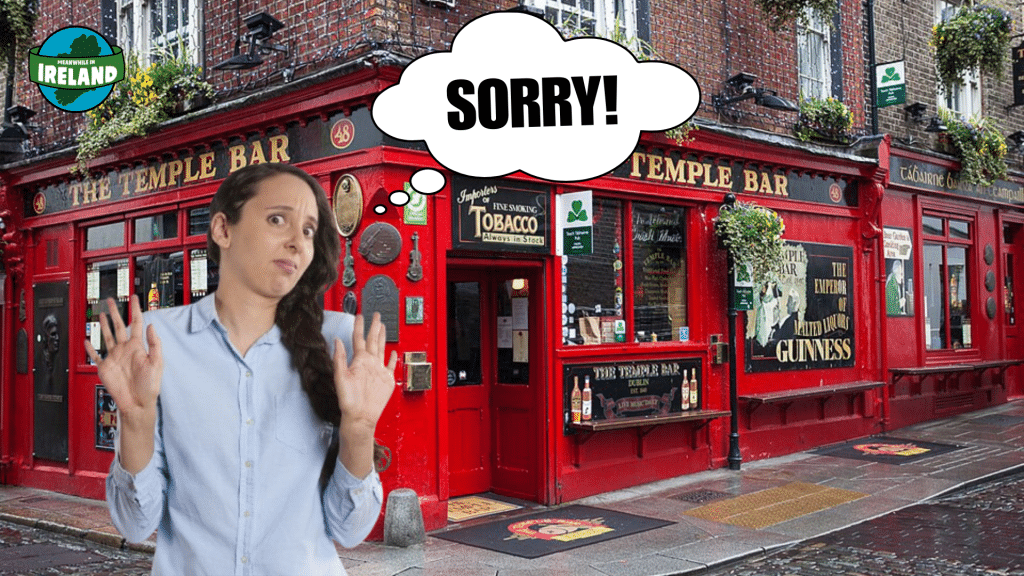
One of the best things about visiting Ireland is learning about Irish culture, but there are a few etiquette rules that tourists must always keep in mind.
While most of these are basic good manners, some local rituals can leave first-time visitors scratching their heads in confusion. Here are the ten Irish habits tourists will never understand.
10. The refusal of the compliment – a cultural form of social modesty

It’s well known that Irish people can’t take compliments because they often find them embarrassing or a violation of social modesty. If you tell an Irish person how great they look, don’t expect to hear a “thank you,” but an immediate, humorous dismissal.
For a tourist, this is a weird social norm that contradicts their expectations of politeness. However, for the Irish, it’s a polite social behaviour that is part of their culture rather than a dislike for compliments.
9. The “grand stretch” – a national obsession with daylight

The “grand evening stretch” is a cherished Irish phenomenon when there are more hours of daylight after winter. Every Irish person monitors this seasonal occurrence with much enthusiasm and can dominate the national discourse for months.
Tourists find it strange that a few extra minutes of daylight are celebrated as if it were a national holiday. However, in a country where talking about the weather is an icebreaker in every conversation, those extra rays of sun are a genuine source of communal joy.
8. The Christmas Day swim – a freezing rite of passage

Diving into the cold seawater on Christmas morning is a beloved Irish tradition, often organised for charity fundraising.
Thousands of people gather at popular swimming locations such as the Forty Foot in Dublin or Blackrock in Galway, wearing swimsuits and Santa hats before plunging into the freezing Atlantic Ocean or Irish Sea.
Whether it’s for charity or fun, swimming in chilly seawater on Christmas morning is one of the weird Irish traditions that makes no sense to foreigners.
7. The “Irish Goodbye” – vanishing without a trace
In many cultures, leaving a social gathering involves announcing your departure, but in Ireland, people disappear unnoticed. One minute you are chatting with a friend in a crowded pub, and the next, they have vanished into the night without a word.
Many tourists might see it as rude, but it’s a strategic move to avoid the prolonged Irish goodbye, which can take forever. It’s the most respectful way to avoid unnecessary attention or drama when one wants to leave an event quietly.
6. The constant apology – saying sorry for everything
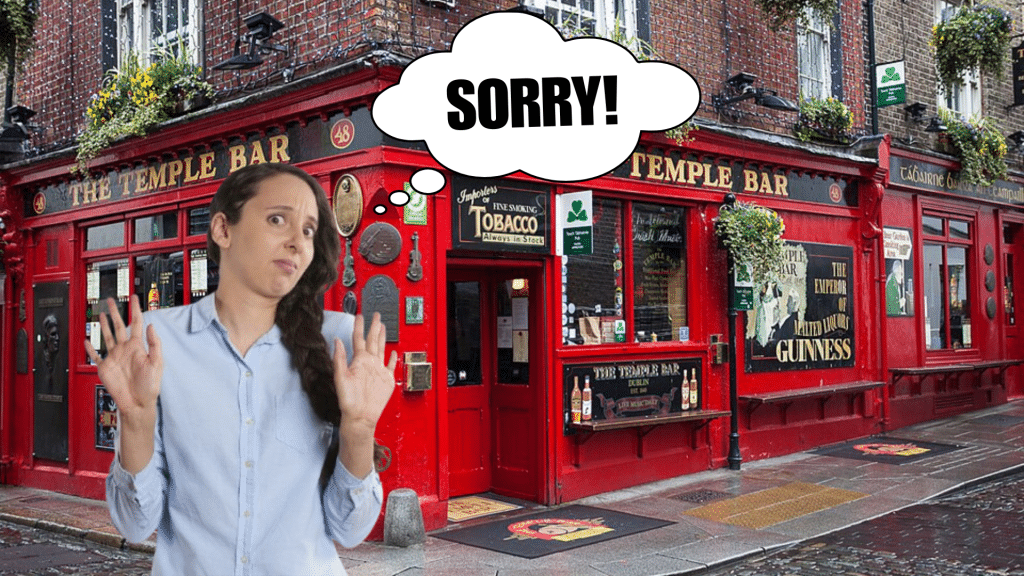
An Irish person can apologise to a loaf of bread that falls out of the shopping bag or to a chair for tripping over it; it’s politeness taken to another level. They can even apologise to a traffic cone rather than question why it’s on the road to avoid unnecessary confrontation.
To visitors, it can seem like everyone is guilty of wrongdoing, but in reality, it’s simply a local tradition that ensures no one is seen as “pushy” or confrontational.
Irish culture values peaceful relationships over being right, and they’ll apologise for everything, even when they’ve done nothing wrong.
5. Giving directions based on landmarks – the Irish navigation system
Asking for directions in rural Ireland is like looking for the local historical landmarks. Irish people don’t give directions by road names or distances, but you will be told to “turn right at the big tree” or “turn left where the old pub used to be.”

The Irish navigation system is based on non-existent landmarks rather than GPS. Tourists who are used to digital maps often find these instructions confusing, but for the locals, it’s a deeply ingrained cultural practice and a form of social interaction.
4. The “thanks” to the bus driver – a mandatory exit ritual
In Irish tradition, you cannot just exit a bus without shouting a loud “Thank you!” to the driver. It doesn’t matter whether the driver has a bad attitude or the bus was late; the acknowledgement is non-negotiable.
It’s a simple act of politeness, and many Irish people do it as a sign of mutual respect between them and the driver. Tourists who exit the bus in silence are often met with side-eye from the other passengers, as this is considered a breach of etiquette.
3. The tea obsession – the solution to all life’s problems
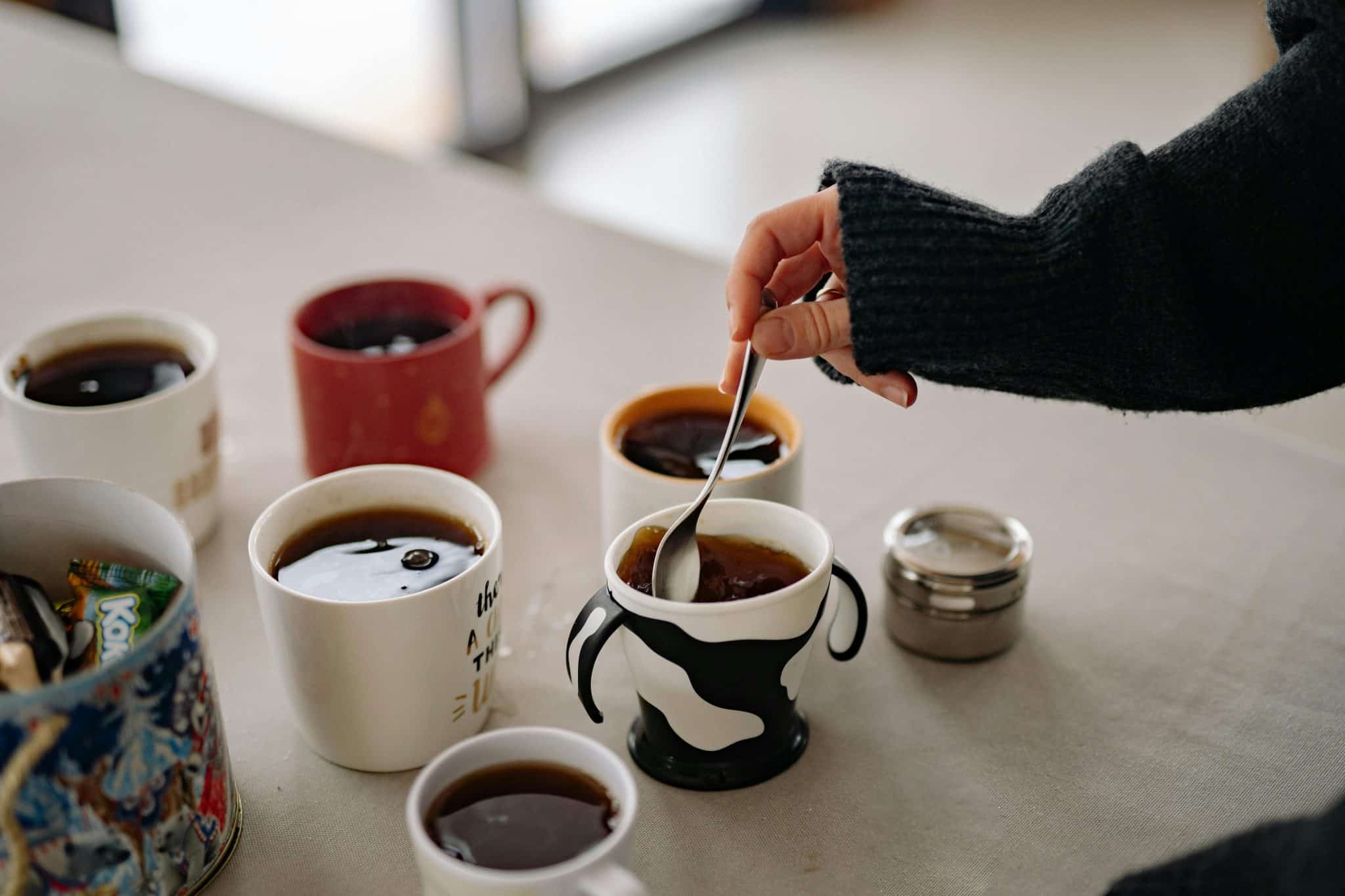
In Ireland, tea is not just a beverage but a solution to all life’s problems; whether you have suffered a break-up or bereavement, a cup of tea is the perfect medicinal and psychological intervention.
Drinking tea with a hot loaf of soda bread is a sacred daily ritual for Irish residents. It’s the main offering for anyone visiting an Irish home, and refusing tea is considered rude.
This obsession with tea can be baffling for many tourists, as it seems to contradict standard social norms.
2. The index finger salute – the shortest conversation on the road
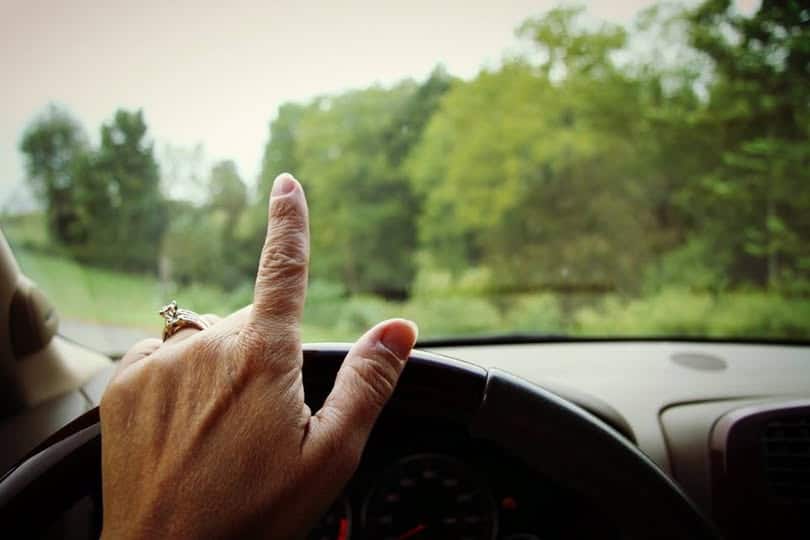
When driving down a narrow country road in Ireland, an oncoming driver may briefly lift a single index finger off the steering wheel.
Tourists often misunderstand this gesture to be rude and aggressive, but it’s a sign of local hospitality and a silent acknowledgement of the other driver. Anyone who doesn’t return the gesture is often viewed as being ignorant or self-centred.
1. The “round” system – the sacred law of the Irish pub
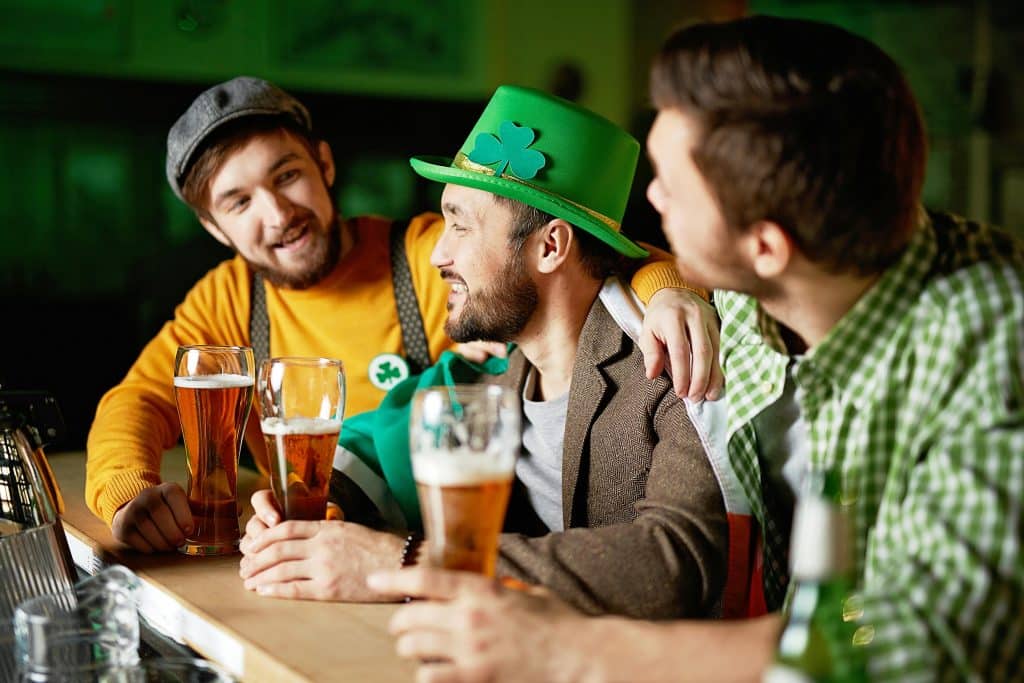
If you are out with a group of friends in an Irish pub and someone offers to buy you a drink, beware, because you have just entered a binding social contract.
To a tourist, it might look like a generous gift, but the unwritten rule of the round is that if someone buys you a drink, you must return the favour and buy them one.
Participating in this tradition is a sign of mutual respect. Skipping your round has social consequences, such as a damaged reputation or not being invited back.
