
These ten things you’ve experienced if you live near the border aren’t solely about where you’re from; it’s how you were raised.
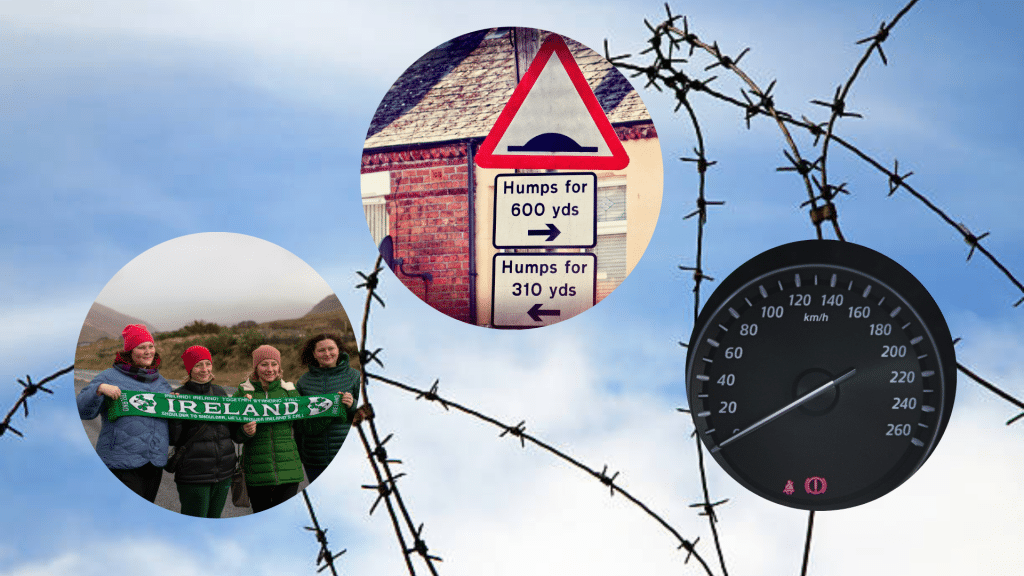
Living beside or on the border is something most of us never even thought of when growing up; it was just normal. The change in currencies, the different school systems, and the changing road signs are all within a 20-minute drive.
It’s only when your college friends come home with you for the weekend, or relatives come to visit, and the questions start flowing that you realise your ‘normal’ sounds foreign to everyone else.
If you grew up along the border, these ten things you’ve experienced living on the border will feel painfully accurate, and if you didn’t experience them, here’s a look into our normal.
10. The road changes before the signs do – if you know, you know
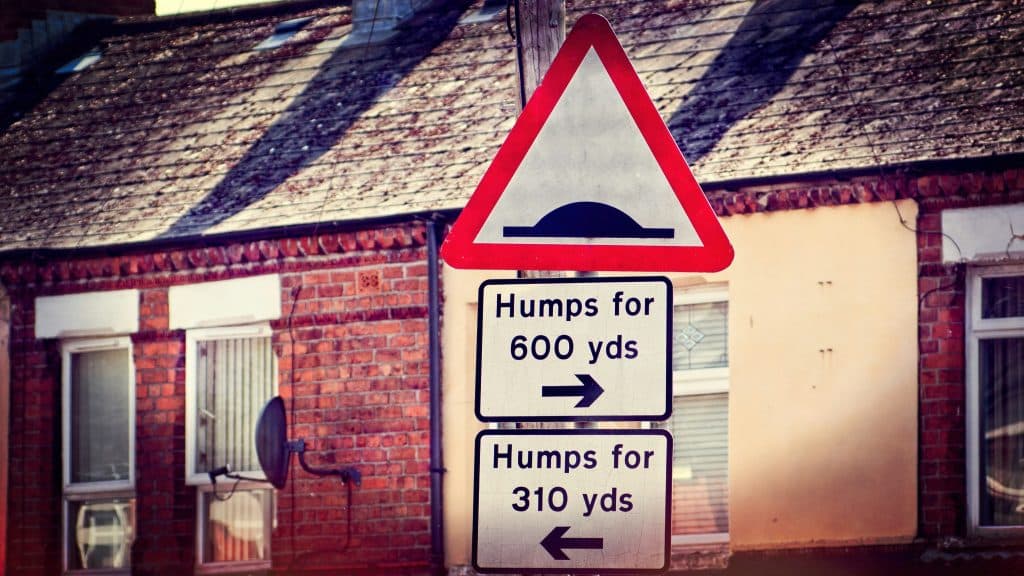
Unlike the movies, the border doesn’t show itself with a “Welcome to Northern Ireland” or “Welcome to the Republic of Ireland” sign.
For us, the first giveaway is the shift from smooth roads to dodging potholes; it’s only a matter of one sharp turn, and before you know it, it feels like you’ve entered a whole new territory.
As kids, you’d feel it in the back seat before you even looked out the window. As for which side is which, it’s a case of if you know, you know, and if you don’t, you should take a detour on your next road trip and cross the border.
9. School tour rules – the unspoken (but very spoken) fashion rules
School tours are something every child looks forward to during the school year. For those of us living on the border, these tours came with very specific rules that were not up for debate. Jerseys were banned, and certain colours were “better left at home”.
At the time, it seemed like a dramatic reaction from your teacher; looking back, it’s one of those quiet reminders that growing up here meant you were aware of things other kids around the country never had to think twice about.
8. Day trips – Belfast is as normal as Dublin
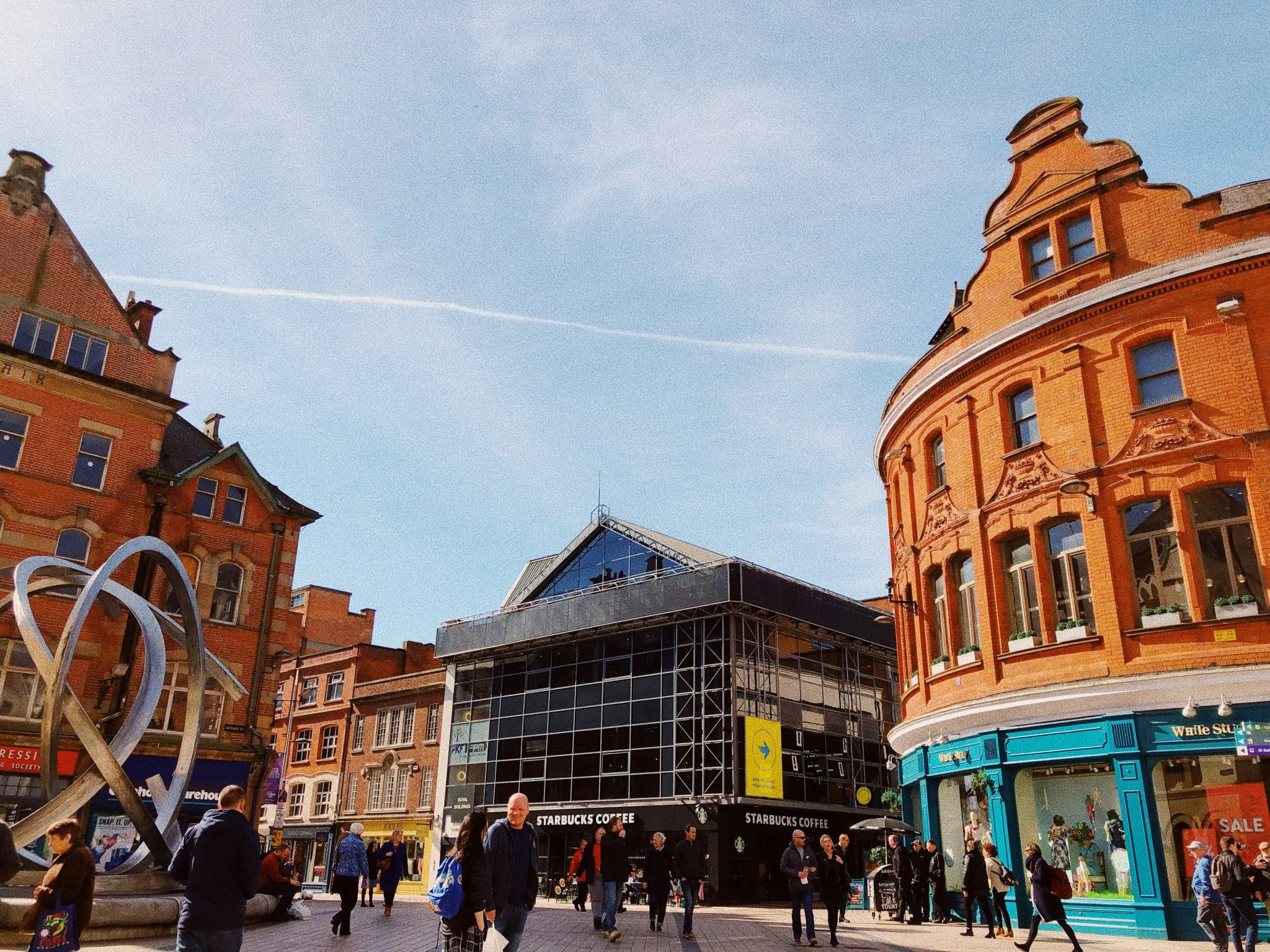
Belfast was one of the day trips many of us took, which felt as normal as a day trip to Dublin. You pop up for some shopping, the big grocery haul to fill the freezers, or some last-minute Christmas bargains.
The idea that one capital city feels as accessible and casual as the other isn’t appreciated until it comes up in conversation, and someone reacts as if you’re flying abroad for the day.
7. The joy of a big Tesco and a big Sainsbury’s – the best of both worlds
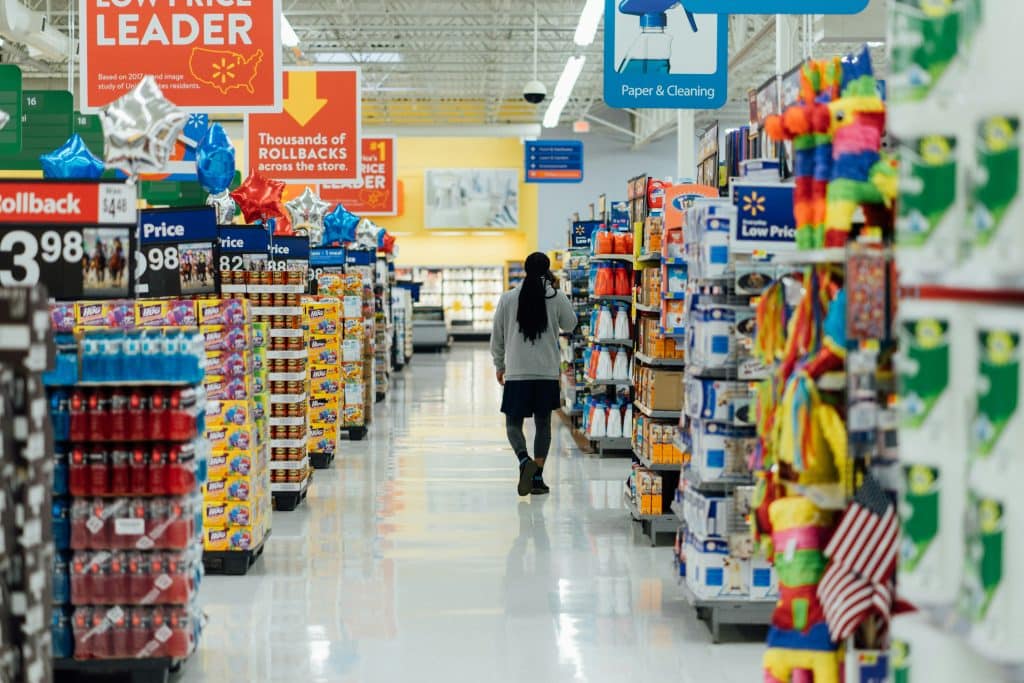
Not all supermarkets are created equal. Border kids know this. There is something extremely exciting about a “big Tesco” or an enormous Sainsbury’s that seems to go on forever. Wider aisles and different brands with snacks you can’t get at home.
Entire parts dedicated to things you didn’t know you needed. You grow up knowing which side has the better cereal selection, which one does the nicer bakery bits, and where to go when you want to feel like you’re doing a “proper shop”.
It’s retail tourism, and you don’t even realise that’s what it is.
6. The annual Christmas drink run – the ritual
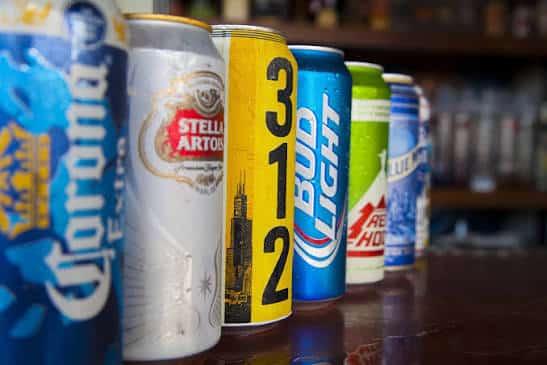
Every December without fail, someone in the family does “the run”. The boot of the car is packed to the roof with slabs and bottles, and there’s a subtle satisfaction in knowing you’ve beaten the system somehow.
It’s discussed like a tactical operation, where to go, what to buy, and how much you’re actually saving.
Even if you’re not the one organising it, you’re part of the ritual. It’s a border tradition as predictable as putting up the tree.
5. You grew up with two news channels – shaping your worldview

In one room, RTÉ News and in another, the BBC. You absorbed political conversations from both sides before you fully understood what any of it meant. Stormont collapses, the Dáil debates, the UK general elections, and Irish referendums.

It all filtered into your childhood in a way that appeared completely standard. You didn’t realise until later that most people had only grown up under one political system.
For you, it was always both, and you learned early that context depends on which side of the line you’re standing on.
4. You’re fluent in miles and kilometres – without even thinking
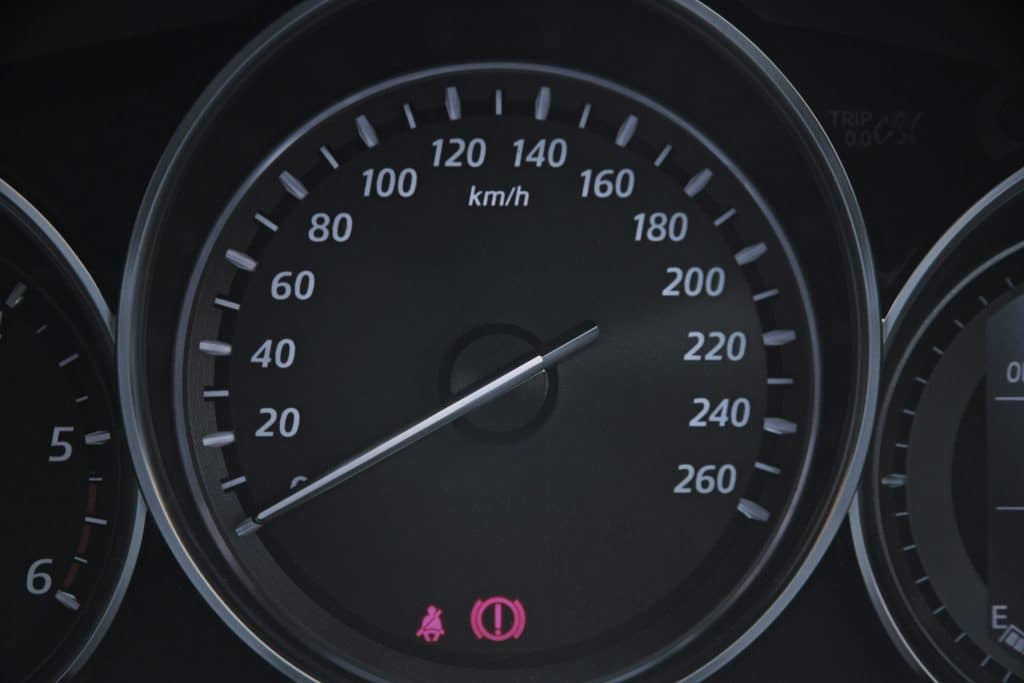
There’s no dramatic pause when someone switches units mid-conversation. Your brain adjusts. Speed limits change, distances shift, petrol becomes diesel pricing in a different format, and you don’t blink.
You can estimate miles, convert to kilometres, and still know roughly how long the journey will take.
It’s a small skill, but it’s distinctly border-coded. People elsewhere struggle, but you don’t. If you’re not fortunate enough to be able to do this, check out this converter here for when you do decide to cross the border.
3. Currency maths became a personality trait – pounds versus euros

Ibrahim Boran
Even years after the euro became your everyday currency, there’s still a part of your brain that automatically converts sterling.
You can scan a price tag and mentally calculate whether it’s “actually worth it” within seconds. Growing up, you learned exchange rates the way other kids learned football stats.
You always had a rough idea of what the pound was doing because it mattered. That quiet, constant mental maths never really leaves you.
2. The mixed accents – confusing absolutely everyone

The minute you leave the border bubble, someone asks where you’re from. Your accent doesn’t fully lean one way or the other.
It’s softened in places, sharper in others. Too northern for some. Too southern for others. You end up giving a mini geography lesson to explain it.
“Near the border” becomes your standard answer, because anything more specific leads to more questions. It’s not that you don’t belong, it’s that you belong to both.
1. Border nuances – a quiet understanding of complexity
There’s a nuance that comes with all of these things you’ve experienced if you live on the border. You have a deep understanding of the history between the North & South, and you understand the mix of identities differently.
You understand that things aren’t always black or white, and that your perspective shifts depending on which way you were driving over the border. Somehow, instead of creating a divide, it gave you a wider lens on everything that your friends who never lived near the border are missing.
This is when you begin to understand the hilarious differences between the north and south of Ireland. It’s not dramatic, it’s not even something you talk about every day. It only fully shapes you when you leave, and frankly, you wouldn’t trade these experiences for anything.
