

She went from debutante to dangerous, from the art salons of Paris to Dublin’s rebellious streets. Constance Markievicz was a force to be reckoned with—an Irish hero primed for Netflix.
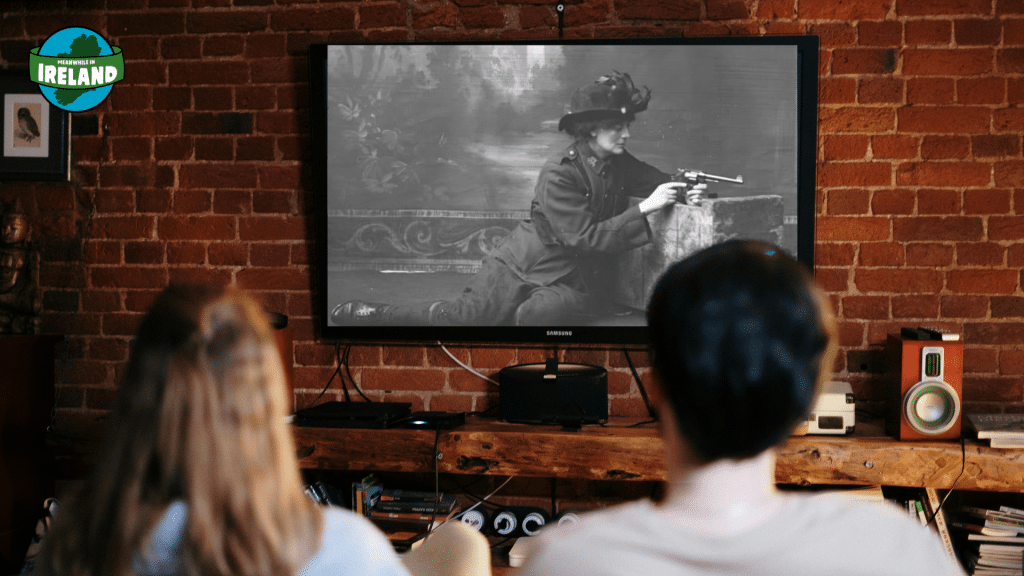
The People’s Countess is one of the most famous women in Irish history, whose unique life trajectory has inspired several statues in her native country.
Despite her fame in Ireland, Countess Constance Markievicz remains mostly unknown beyond its shores. She’s appeared in supporting roles in films and shows, including Netflix’s Rebellion, but no standalone series has captured her saga yet.
Lissadell House – a life of luxury and privilege

Constance grew up surrounded by privilege and luxury at Lissadell House, even being presented to Queen Victoria. There, she and her sister witnessed the suffering of their father’s tenants and believed they shared a telepathic bond.
Defying her family, she headed to Paris to study art, where she met the eccentric Count Casimir Markievicz.
He fought duels on her behalf, captivated by her rebelliousness and their shared plight—Poland under Russian rule, Ireland under British. They bonded over their stateless nations and soon moved to Dublin.
In Dublin, the couple founded the United Arts Club, erasing class divides. As the city’s ‘it couple,’ they mingled at Dublin Castle socials while quietly working to dismantle the British government they rubbed elbows with.
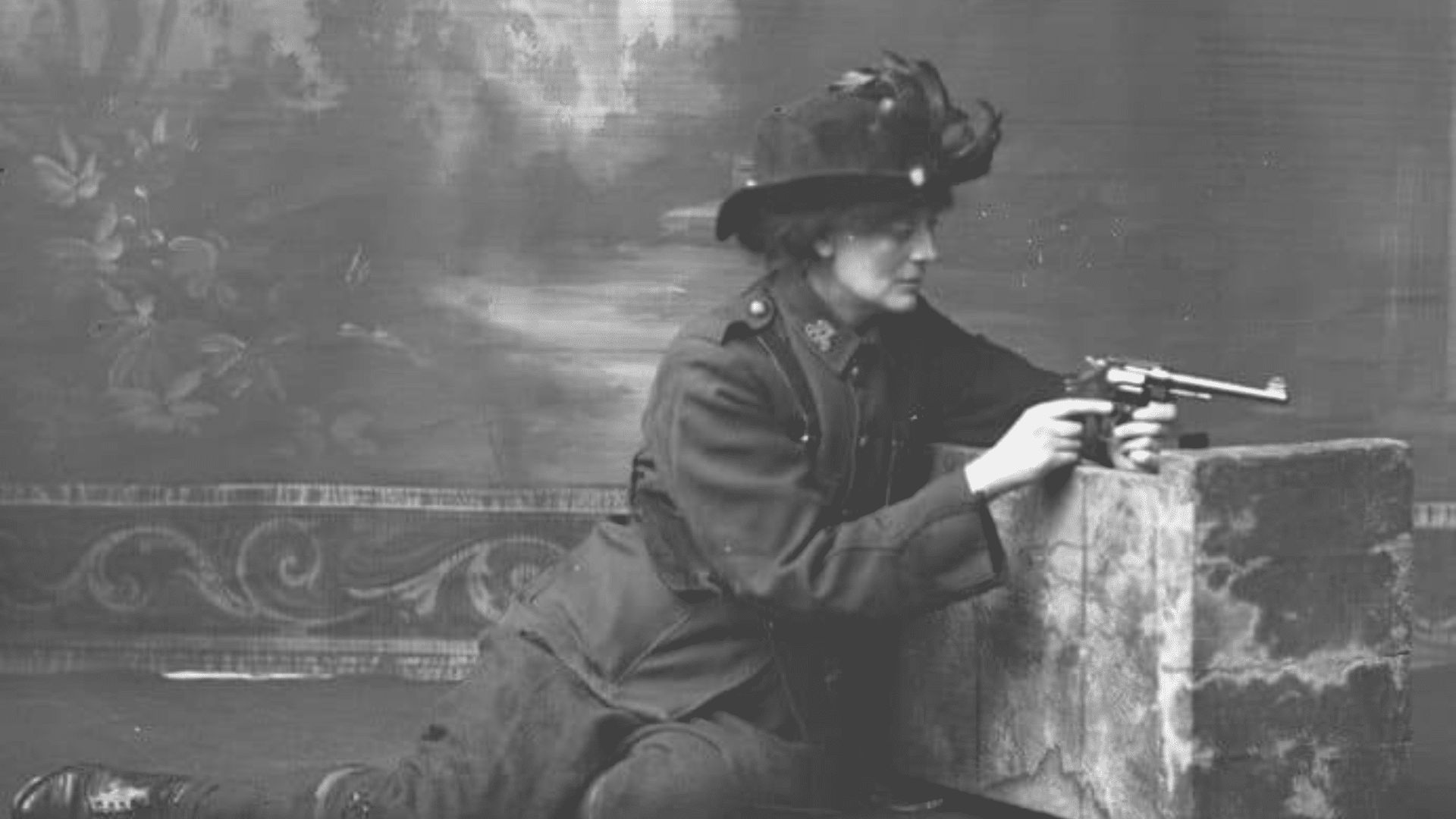
Constance founded Fianna Éirinn, teaching boys scouting and marksmanship—her manual later became a primary text for the Irish Citizen Army.
She reportedly disliked little girls, calling them ‘wretched and noisy,’ and preferred the boys.She saw women as ‘doubly enslaved’—by British rule and domestic expectations.
Constance crashed a nationalist Inghinidhe na hÉireann meeting in a satin ballgown, drove a coach-and-four of white horses to campaign against an anti-suffrage politician, and wore an outrageous red dress to the theatre during official mourning for Edward VII—a direct snub to the monarchy.
Dublin Lockout – rebellion in furs
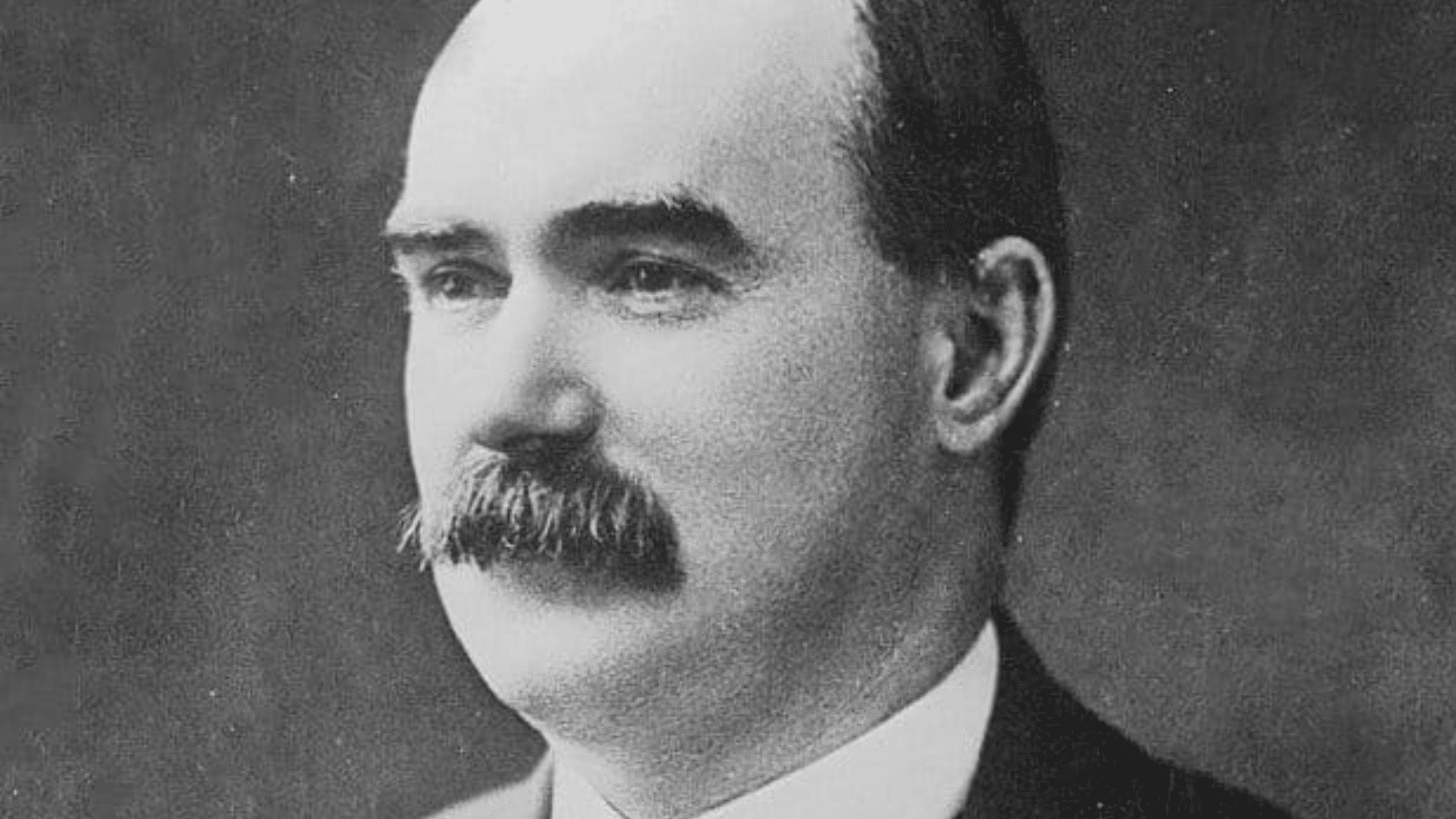
During the 1913 Dublin Lockout, she worked closely with James Connolly, one of Ireland’s greatest heroes. The Military Council dubbed her ‘Ghost’ to take his place if arrested. In her furs, she hauled coal and ladled soup in the slums.
Meanwhile, Casimir—never politically driven and more devoted to their theatre company and the arts—grew overwhelmed by her activism. He left for Ukraine; they separated amicably but never divorced.

Their daughter Maeve, largely abandoned for revolution, was raised by grandparents at Lissadell. Years later, Maeve didn’t recognize her mother and had to be convinced of her identity.
Easter Rising – imprisonment and election

In the 1916 Easter Rising, Constance served as a commissioned officer in the Irish Citizen Army, commanding troops from St. Stephen’s Green.
She kissed her revolver before surrendering it to British troops. Court-martialled as the only woman and sentenced to death—commuted due to her gender—she snapped, ‘I do wish your lot had the decency to shoot me.’
Elected to the House of Commons from Kilmainham Gaol, she became the first woman so honoured but refused her seat under Sinn Féin’s abstentionism. Her advice to women: ‘dress suitably in short skirts and strong boots, leave the jewels in the bank, and buy a revolver.’
Final years – divisive but loved
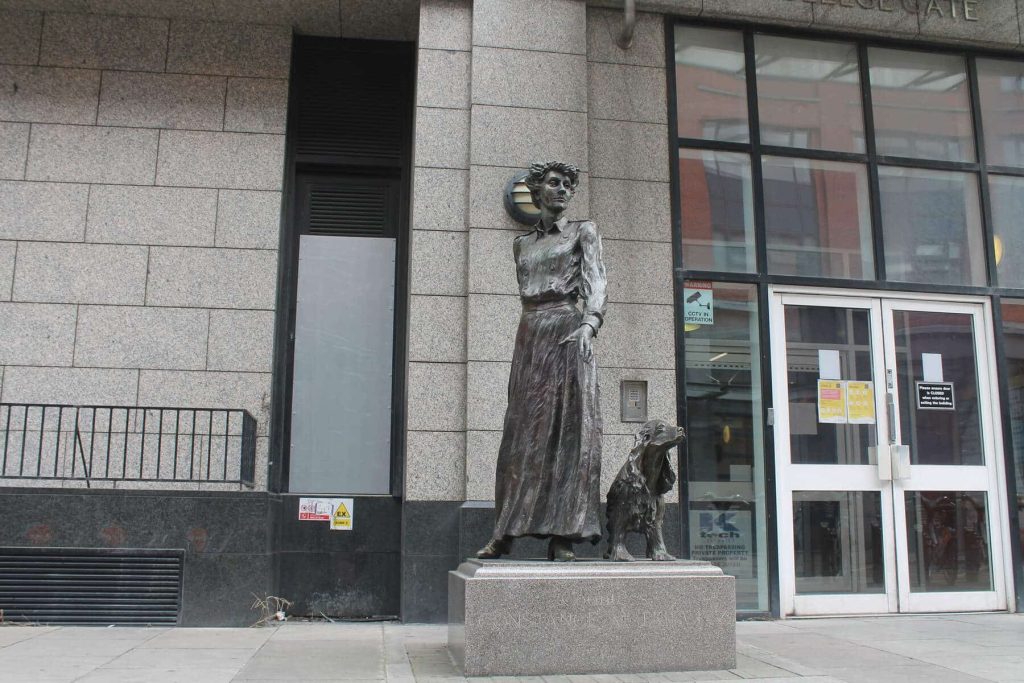
She went on to serve as Minister for Labour in the first Irish parliament. Her sister’s death left her broken-hearted.
Not everyone loved her—WB Yeats lamented that rebellion had stripped her feminine charms, Sean O’Casey called her a ‘total cow,’ and some accused her of murdering a policeman.
Constance Markievicz died in a public hospital from peritonitis complicating appendicitis, surrounded by the poor she’d championed.
Though refused a state funeral by the Irish Free State, 300,000 attended—proving she was the People’s Countess. With all that said, we think it’s safe to say that the story of Constance Markievicz deserves to be told on screen.
